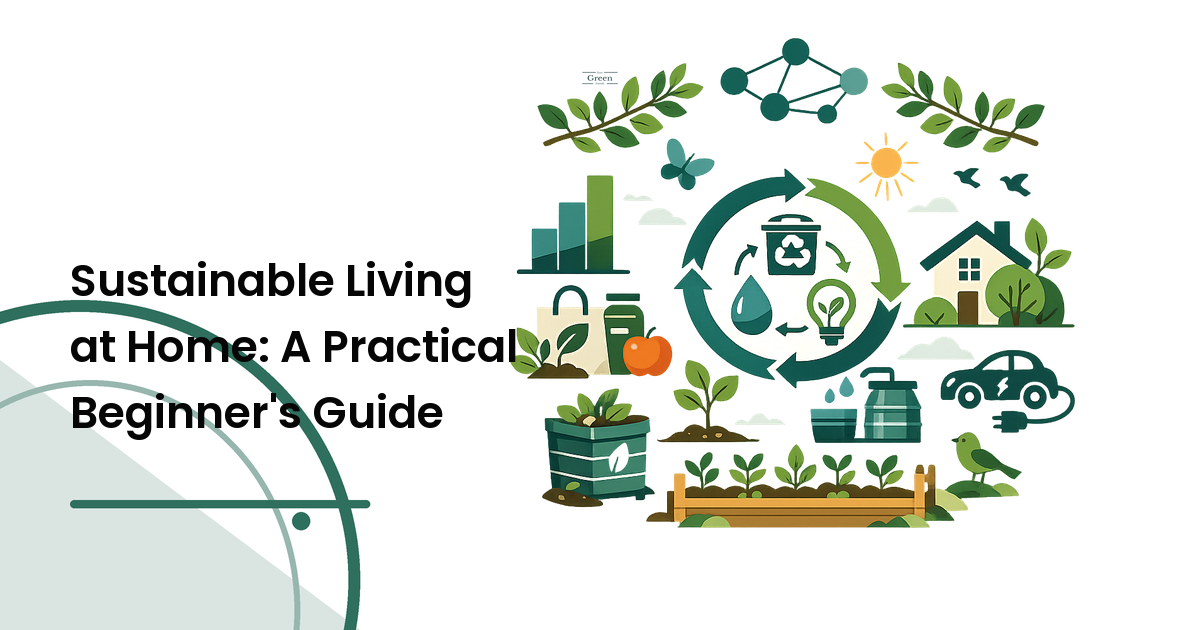
Living more sustainably does not mean overhauling your life overnight or spending a fortune on "eco" gadgets. The most durable green changes are usually small, cheap, and built into routines you already have. This guide walks you through where to start at home, what genuinely makes a difference, and how to keep going without burning out.
The key takeaway up front: pick a handful of changes that fit your real schedule and budget, make them automatic, and let them compound. A few habits you actually keep will always beat a long list of good intentions.
Why Small, Steady Changes Beat Big Gestures
It is easy to feel that unless you install solar panels or go fully zero-waste, nothing counts. That all-or-nothing thinking is one of the biggest reasons people give up. Sustainability is a long game, and consistency matters more than intensity.
A reusable water bottle used every day for a year quietly replaces hundreds of single-use ones. A slightly lower thermostat setting, kept all winter, saves more energy than a one-off splurge on a "smart" device you forget to use. The goal is to lower the effort of doing the right thing until it becomes the default.
Start by picking one room or one routine. Trying to fix everything at once is the fastest path to overwhelm.
Start With Energy: The Easiest Early Wins
Energy is a great place to begin because the changes are cheap, fast, and visible on your bill.
Low-cost, high-impact moves
- Switch to LED bulbs as your old ones burn out. They use far less electricity and last for years, so the upfront cost pays back through lower bills and fewer replacements.
- Adjust your thermostat by a degree or two. Heating and cooling are usually the biggest slice of a home's energy use, so a small, permanent setback adds up more than almost anything else you can do indoors.
- Unplug or use a power strip for electronics that draw standby power. Switching one strip off is easier to sustain than chasing individual plugs.
- Wash clothes in cold water and air-dry when you can. Most of a wash cycle's energy goes into heating water, so cold cycles cut that out with no real downside for everyday laundry.
These rank first because they cost little or nothing, require no special skills, and start saving money immediately — the reasons matter as much as the actions.
Water: Simple Habits That Add Up
Water-saving changes are often overlooked because water feels cheap, but lower use also means less energy spent heating and pumping it.
Fix dripping taps promptly; a slow drip wastes a surprising amount over weeks. Fit a low-flow showerhead or aerator — they are inexpensive and you rarely notice the difference in pressure. Turn the tap off while brushing or scrubbing dishes, and run dishwashers and washing machines only when full. None of this requires sacrifice, just slightly different defaults.
Shop Smarter, Not More
A lot of household waste starts at the checkout. The greenest item is usually the one you did not need to buy in the first place.
- Buy what you will actually use. Planning meals around what you have cuts food waste, which is one of the most impactful everyday changes because wasted food also wastes all the water and energy used to grow it.
- Choose durable over disposable. A well-made item that lasts years beats a cheap one you replace repeatedly — better for your wallet and for waste, in that order.
- Favor less packaging where it is easy: loose produce, refills, and bulk staples. Do not stress when it is not available; consistency beats purity.
- Repair before replacing. A quick fix or a spare part often extends the life of clothes, tools, and electronics for a fraction of the cost.
Tackle Waste Room by Room
Once energy and shopping habits are in motion, waste reduction becomes much easier. Keep a small bin or basket for items to reuse, donate, or recycle, and learn your local recycling rules — they vary, and "wishcycling" the wrong things can spoil a whole batch.
Composting kitchen scraps is one of the highest-impact steps for most homes, since food and garden waste make up a large share of household rubbish. If you have any outdoor space, even a small bin turns scraps into free soil for plants. Our composting guide walks through the simplest setups, and the zero-waste guide covers reusables and plastic-free swaps in more detail.
Bring the Outdoors In: Greener Spaces
A greener home is not only about cutting back — growing things helps too. A few easy-care houseplants, a windowsill of herbs, or a small patch of pollinator-friendly flowers connects you to the seasons and reduces what you buy. If you want to grow food or support local wildlife, the eco-gardening guide is a beginner-friendly next step that pairs naturally with the habits above.
Build Habits That Last
The real secret to sustainable living is making good choices easier than bad ones. Keep reusable bags by the door. Put the recycling bin where you will actually use it. Set a reminder to switch off the power strip at night until it becomes automatic. Celebrate small wins instead of fixating on what you have not done yet — progress, not perfection, is what keeps you going.
Frequently Asked Questions
What is the single easiest way to start living more sustainably?
Pick one daily habit with a clear payoff, such as switching to LED bulbs as old ones die or washing laundry in cold water. Easy, repeatable wins build momentum without overwhelm.
Does sustainable living have to be expensive?
No. Most high-impact changes — using less energy and water, wasting less food, repairing instead of replacing — actually save money. Bigger purchases like efficient appliances are worth it over time, but they are not where beginners need to start.
How do I avoid feeling guilty about not doing enough?
Aim for consistency, not perfection. A few habits you keep for years matter far more than a long list you abandon. Focus on progress and the changes that fit your real life and budget.
Is recycling enough on its own?
Recycling helps, but reducing and reusing come first because they prevent waste before it is created. Recycle what you can, but prioritize buying less and making things last.
What if I rent and cannot change my home much?
Plenty of impactful habits need no renovations: efficient bulbs, cold washes, lower standby power, smarter shopping, composting where allowed, and reusables. Focus on what you can control day to day.
Keep Growing, Together
Greener living is easier with company. Start with one or two changes from this guide, make them automatic, then add another when you are ready. Join the Evergreen Friends community for simple, practical tips you can actually keep — small steps, real progress, and a friendlier planet along the way.